In calling Christian Nationalism unchristian, I mentioned its overt political agenda and project, so you’d be forgiven for thinking I dislike connecting religion and politics. But I want to clarify; religion should be political. Faith is not just something a person should hold in their heart, but be visible in the work they do in their life, and you cannot commit yourself to something like the Kingdom of God without having views on the Powers of our world. Religious faith shapes what principles and values you hold, and you can’t meaningfully hold them while being aloof of the social, economic and political realities of the world around you. So, while Christian Nationalism isn’t what I’d recognise as Christian, that’s not because it’s political, it’s because it’s politically and spiritually abhorrent.
Now, this introduction might sound like something nobody should have to say. The first part of Jesus’ sermon on the Mount explicitly blesses peacemakers and those who hunger for justice – how could that be apolitical? But there’s a recent, profound trend in the church to retreat from politics and social events, to pull away inward. I want to talk about that, and the connected push to get religion out of public life. How did we get here? Why even state something like this out loud?
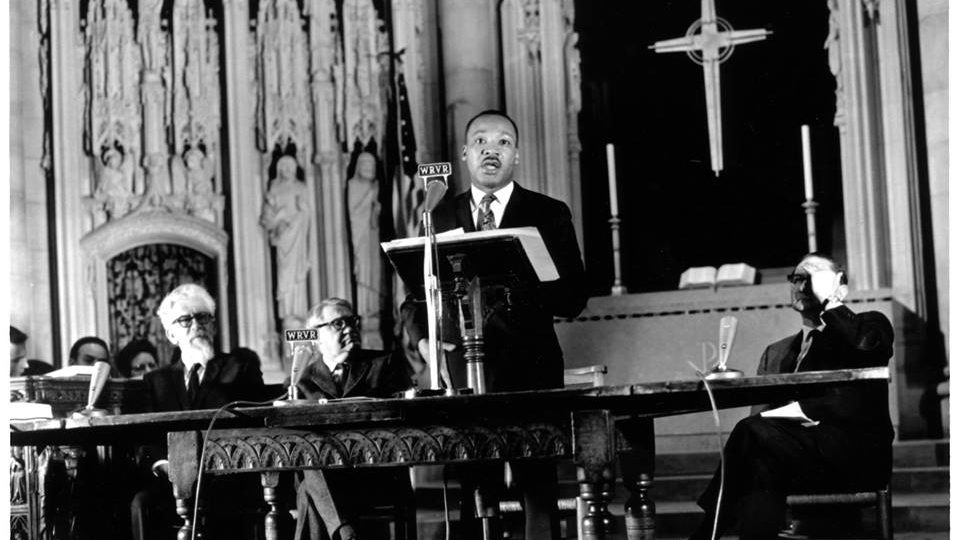
There’s some great examples out there of how people of faith can be positive political forces. Source.
Honestly, the movement of the church and religion in general out of politics is pretty old, at least a couple centuries. The American revolutionaries declined to have any state religion, and rightly asserted that there needed to be separation between political power and religious authority. Religious leaders shouldn’t be politicians, and presidents shouldn’t be deciding spiritual doctrine. I’m not here to argue against separating church and state, or to be nostalgic for some theocratic government. The Christian Nationalists have that covered. But I do think since that time, the church has grown increasingly comfortable sitting outside politics. This is anecdotal, but I’ve known too many Christians who didn’t feel the church should have any voice in world politics, that it was beneath them or somehow made them less pure. Even a century ago, churches took leading roles in social movements, supported unions, and actively critiqued power. That’s gone now. In its place are churches that only speak to protect their prerogatives, or who want to make “Christian countries” instead of allowing all voices to flourish. Religious people who will speak out to prevent marriage equality or to ban abortion, but are silent on war and genocide. Who are interested in protecting their right to say whatever they want no matter how hurtful, but are disinterested in the denial of dignity and justice to millions across the globe. Frankly, it’s intolerable.
Because faith must be political. I’ve more experience in Christianity than other faiths, but I’m willing to venture that this is true across traditions. You cannot believe in peace, mercy, and hope, and not care about the state of the world. You can’t believe in the rights of the poor, the exploited, the marginalised, and not have things to say about the systems that did this to them. The instinct to an apolitical church often grows in places of political power and comfort; after all, those who benefit from exploitation are usually less inclined to oppose or end it. For my own part, I cannot tell you where my feelings about faith end and the ones about politics begin. politically, I believe what I believe because of my faith background, and it alone compels me to see justice, kindness, and generosity triumph over fear, domination, and oppression.
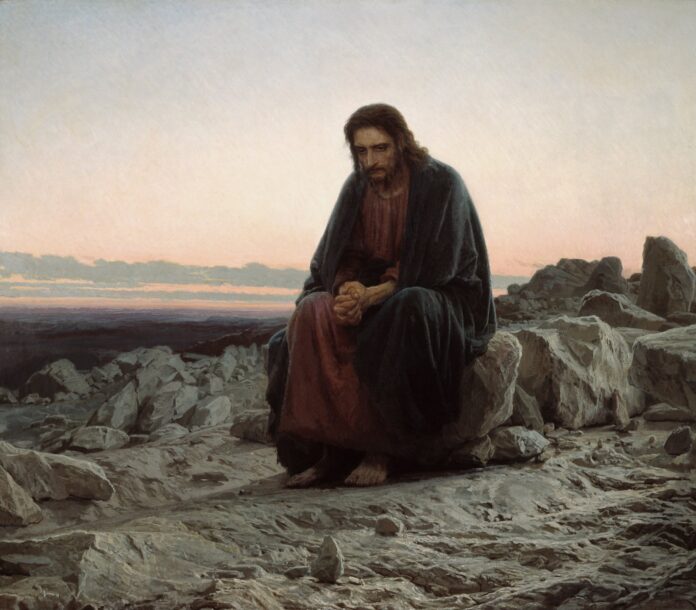
Pictured: a Jewish Palestinian teacher and minister who was publicly executed for challenging the status quo of an international empire occupying and dominating his homeland, and for angering religious authorities by subverting and refuting their doctrines. Supposedly, an apolitical man. Source.
I think those of us who aren’t religious might need to make more room at the table for political faith. It’s not just because faithful people can be an allies in bringing equality and progress, either. In truth, while atheism is on the rise, it’s still largely concentrated in some of the most powerful countries in the world, and a bit too often it’s associated with the old ‘Western’ powers who have dominated and exploited for centuries. The marginalised and vulnerable often connect deeply to religion and faith of all kinds, and denying them room because religion shouldn’t be in politics is a disservice. There are also too many people whose cultures and faiths have been dismissed and minimised, and for whom being openly faithful is a real resistance to imperialism, colonialism, and racism. Resistance to injustice, the movement towards a better future requires space for faith and religion or it won’t live up to its values.
So yes, faith should be political. That doesn’t mean all people putting religion and politics together are valid and affirmed; all faiths have doctrines and core principles and anyone claiming to represent a faith while not following those is either a liar or embarrassingly ignorant. But the deep, profound transformation on someone faith can bring will lead them to the political, and religious communities and even institutions can have real roles to play in changing the world for the better. The sight of Christians backing fascism doesn’t make me want to see religion banished to fringes – it makes me want to see churches refuting and repudiating them, on the front lines to stop fascism, imperialism, and all injustice. Because I don’t know how you could be Christian and do anything else.
– The Teaspoon


 The Teaspoon Brigade
Leave a comment