I know they’re got problems, but I try to separate the Art from the Artist.
How many times have I heard that? This line, or something similar to it, comes up discussing film, music, painting, theatre. It’s a funny premise, because nobody worries about separating artists from their work when we agree with what they have to say. It only gets brought out as a defence of work from an artist whose beliefs, or behaviours, we should oppose. When we like what the artist has to say, then those beliefs are essential to understanding the work, but when the artist says or does something reprehensible, well we should separate the creator from the things they’ve made. But I’m getting ahead of myself.
I’ll say at the outset, I’ve always found it hard to separate art from artist. Maybe it’s unfair of me, and maybe I should be more appreciative of the impact of the Death of the Author – even if a creator intended one meaning or theme, that doesn’t have to mean someone can’t find other meaning in their work. The only issue with this approach is that it looks at art and creativity in very theoretical terms, and doesn’t really address the heart of the problem with separating art from artist – namely, that no creator makes something without leaving an imprint, an impression of themselves in the work.
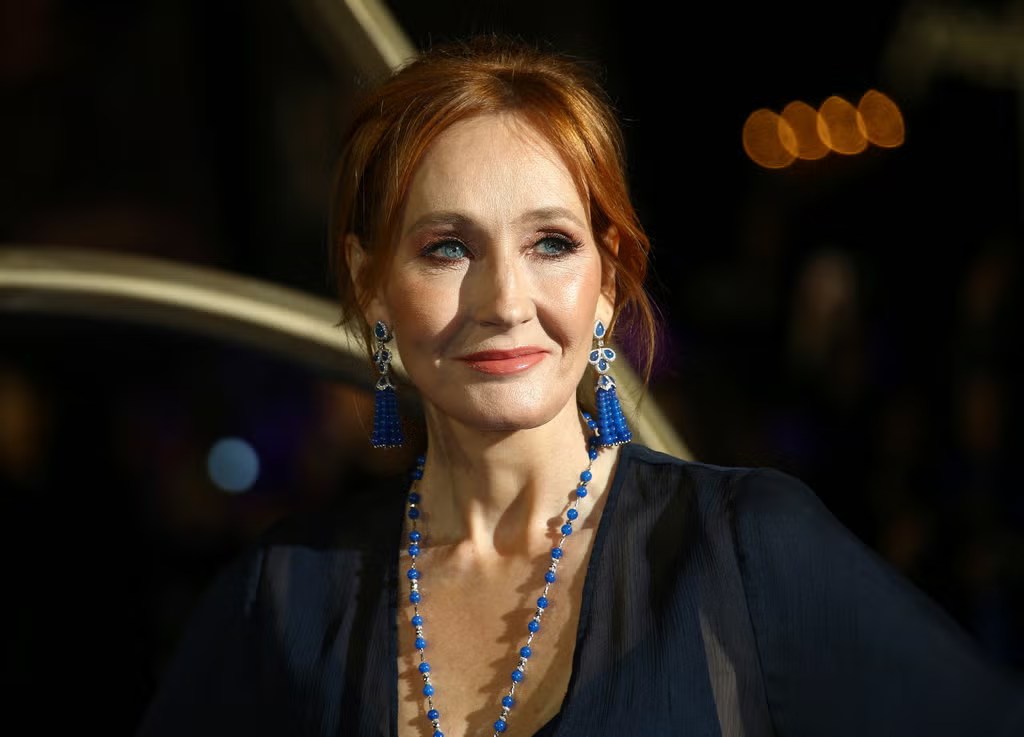
There’s nothing wrong with having fond nostalgic feelings for books & films you loved as a kid. But that doesn’t mean the work doesn’t have some significant problems. Source.
Let’s look an example. J.K. Rowling has, for the past few years, been a vocal opponent to Trans Rights, and has given her support to extremely conservative social figures like Kelly-Jay Keene. Now, Rowling’s personal politics or philosophy doesn’t mean you can’t find something to like in Harry Potter, but it does mean that those beliefs permeate the entire book series. Harry Potter is a book series whose characters participate in fat-shaming and misogyny, a series with racist and antisemitic tropes, one which justifies slavery and in which opposition to slavery is mocked. We can close our eyes and pretend these things aren’t there, but that doesn’t get rid of them. It’s not easy to separate Rowling’s beliefs from her work, because the work communicates and upholds her beliefs! I can’t tell you the inner workings of Rowling’s heart, but the tropes and attitudes of Harry Potter say a lot. Should we keep her work in the zeitgeist? In doing so, we not only uplift and financially support these ideas, we also take attention and money away from other authors who might, you know, not be investing themselves in transphobia.
But Rowling is just one example of this in action. Look at all the powerful, successful men who have gotten away with abuse, assault, or harassment because they were some kind of artistic “genius.” Roman Polanski has still been able to eke out a career in Hollywood, and won an Oscar in 2002. Woody Allen entered into a relationship with a woman 35 years younger than him, who was also his adopted daughter, without facing meaningful consequences. Chris Brown has been able to rehabilitate his career despite numerous legal issues, including his physical abuse of Rhianna. And then of course, there are men like Dali, a fascist sympathiser and supporter of Franco’s Spain, Picasso, who once said “For me there are only two kinds of women: goddesses and doormats,” and whose artistic process apparently demanded reducing the women around him to shambles, and Alfred Hitchcock, who would emotionally and psychologically torture actresses to get results. Dali, Picasso, and Hitchcock have all made important contributions to their fields, but what happens when that becomes the narrative around art? Considering that men in art keep believing they can harass and abuse women, as recently as Neil Gaiman and D4vd, I can’t help but feel the message becomes “If you’re good enough, if you’re successful enough, you can get away with it.”
When we keep these kinds of people in our halls of fame, when we keep giving them social and financial capital, we place their careers above the real humans they have crushed & used.
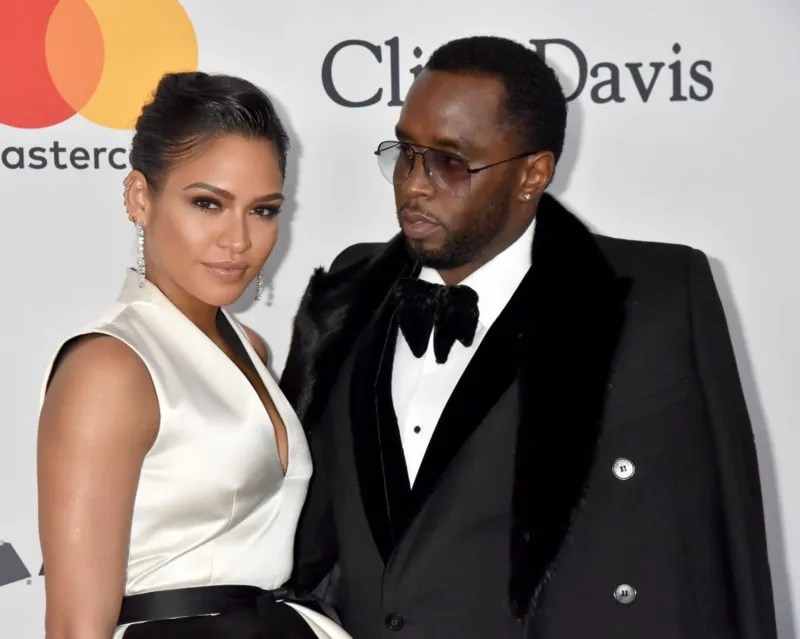
I must stress, I’ve only picked a handful of examples in this piece. There’s a lot more men in the arts who’ve treated the people around them horrifically (picture related). Source.
And then, of course, there’s the other problematic faves people have in the art world – the “comfort billionaires.” A handful of creatives, including Rhianna, Jay Z, and of course, Taylor Swift, have managed to enter into the halls of immense wealth and prestige. And though we might have enjoyed their work, while they might seem sympathetic, these people are not our friends. Consider Taylor Swift: for all her “humble origins,” she was in fact the child of wealthy parents who did everything they could to make sure their girl was famous. She got every advantage, from private lessons to moving to Nashville to her dad buying a stake in a record company to secure a deal for her. She has at almost every turn focused on her personal brand, her wealth, and deliberately cultivated a devoted fanbase to maximise how much money she can extract out of them. Can we separate her corporate attitudes from the work she makes? Is it a coincidence she writes about the new mansion she bought, or that she let the Trump administration use her music in their videos for months, despite being aggressively litigious against others? Can we split Swift’s music from the way she uses that music to keep other women down and away from her “throne?”
People finding their own meaning in art outside the people who make it is a wonderful thing, but we shouldn’t let the death of the author erase the author’s presence entirely. The people who make our art are real people, which means they deserve our kindness, but also that they can be pretty problematic or complex. Whether we want it to or not, our participation and engagement with art and culture forms a kind of sponsorship – if the people behind it really bothered us, we wouldn’t touch it.
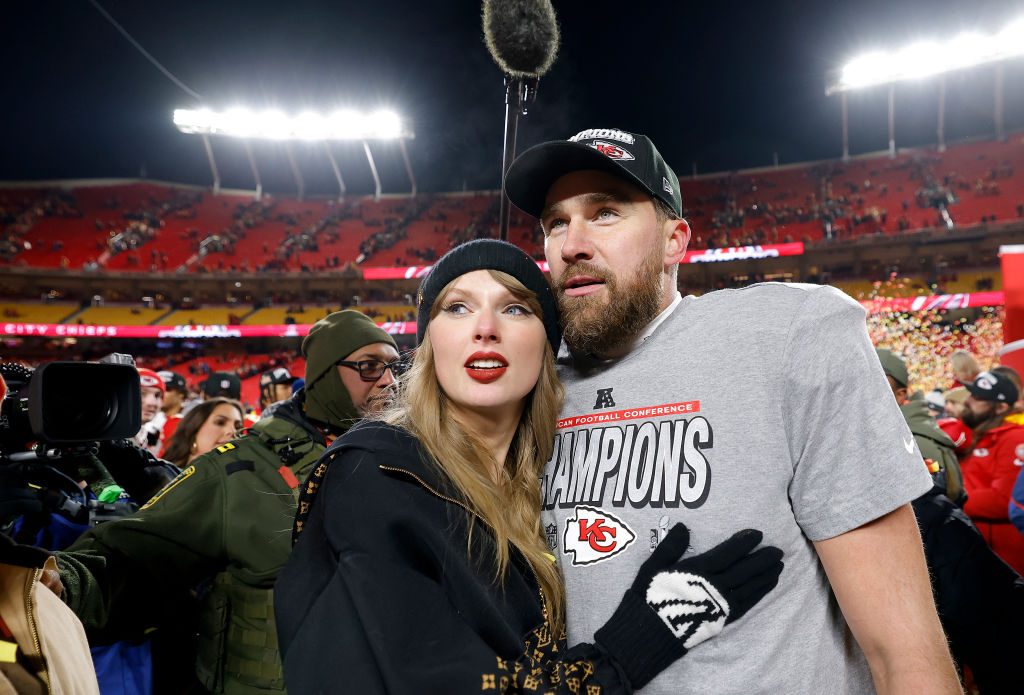
This isn’t as shocking to say as it was a few years back, but Taylor Swift is not our friend. There’s no “kind” way to become a billionaire, and it’s telling how much more conservative her latest music is sounding. Source.
I can’t help thinking about the difference in how we treat artists we agree with, and those we don’t. Again; nobody worries too much about separating politics and beliefs of artists whose views they share. It’s only when we know we probably shouldn’t be engaging with something, when we understand on some level that if we were putting our values first, we wouldn’t be giving this person our time and money, that we suddenly find it in ourselves to cleave art and artists apart. But if this is how we treat art, what does it say about the people those artists and creatives trample on? That their bodies, their safety, their lives, are a price we’re willing to pay to get a particular song or book or movie? Is that the world we want to live in?
More than once, I’ve found I can’t keep engaging with the work of someone I once liked or respected, because of how they’ve treated other people. It sucks, but I don’t really regret distancing myself in that way. I’ve always found that whatever I loved from a particular problematic artist, there was someone else out there who was doing the same thing, and wasn’t hurting or trampling on anyone. And I think those are the kind of creatives I want to endorse.
– The Teaspoon


Leave a Reply